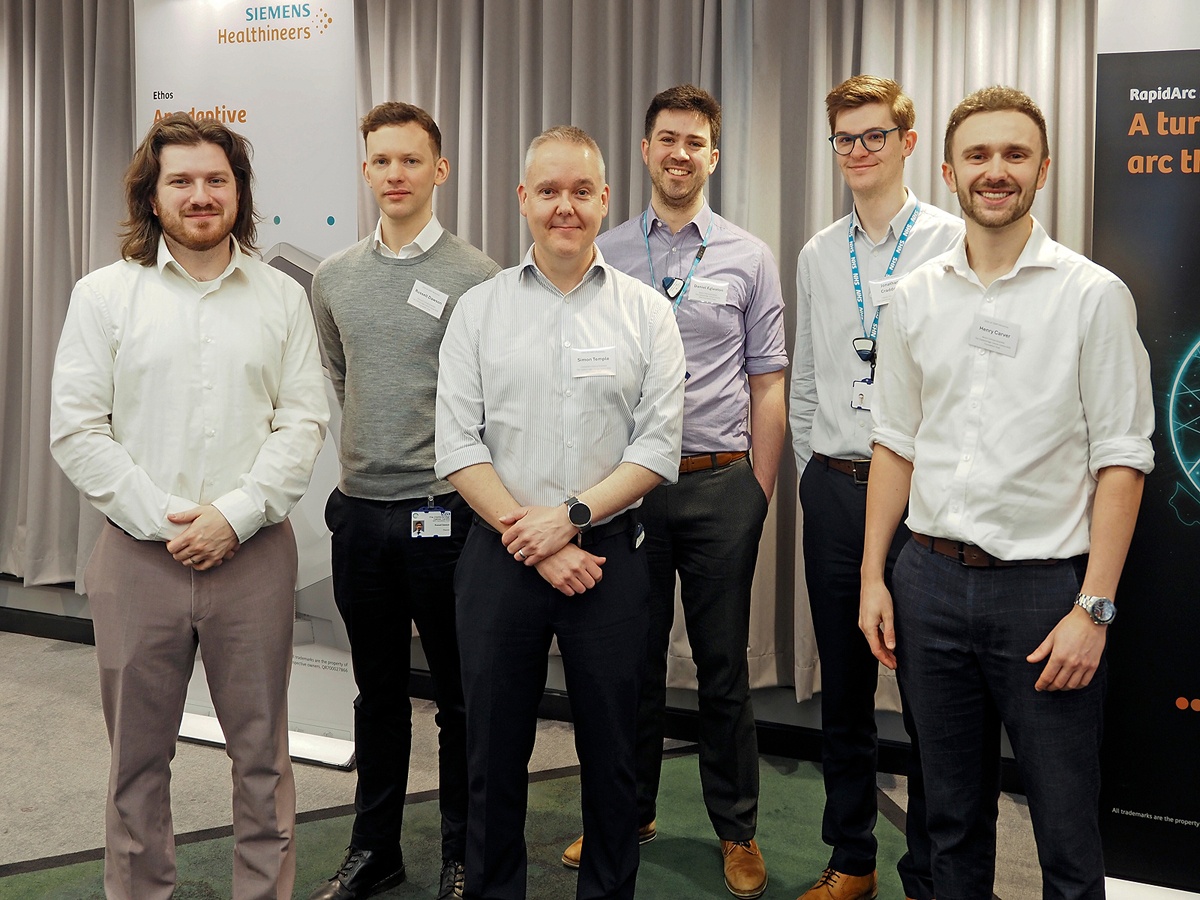
Clinical scientists from The Clatterbridge Cancer Centre organised the UK ESAPI Workshop to bring together specialists using computer technology to increase efficiency in radiotherapy treatment.
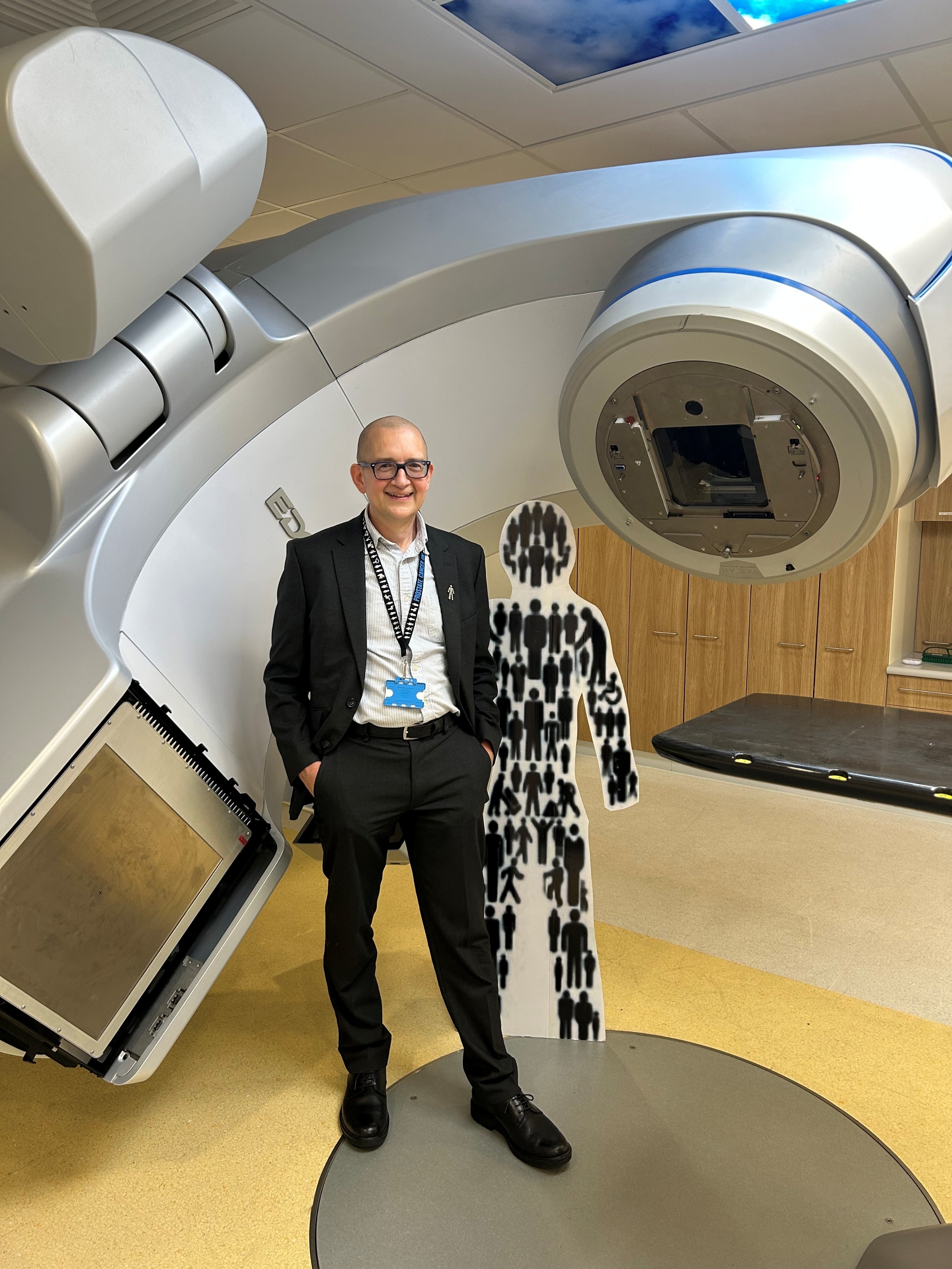
ESAPI – the Eclipse Scripting Application Programming Interface – is a specialist tool that allows medical physicists to introduce automation and customise functions within the Eclipse treatment planning system, which is used to create plans for radiotherapy patients.
Clatterbridge is already one of the UK’s leading centres in the use of this technology. By automating certain repetitive and time-consuming tasks in planning treatments, the tool can reduce plan turnaround times, improve quality checks and allow healthcare professionals more time to focus on complex decisions.
For patients, improved efficiency results in shorter waits to start treatment and more consistent, high-quality plans tailored to their needs.
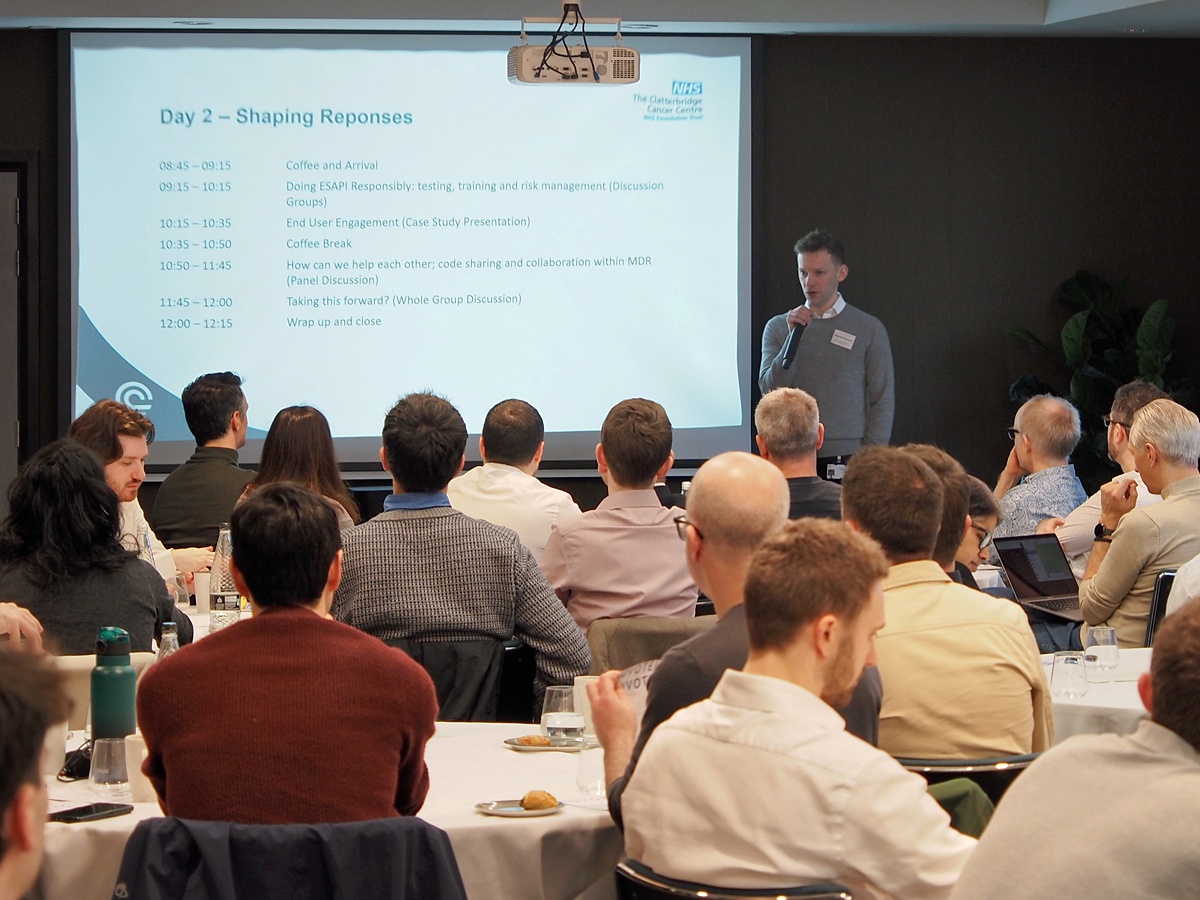
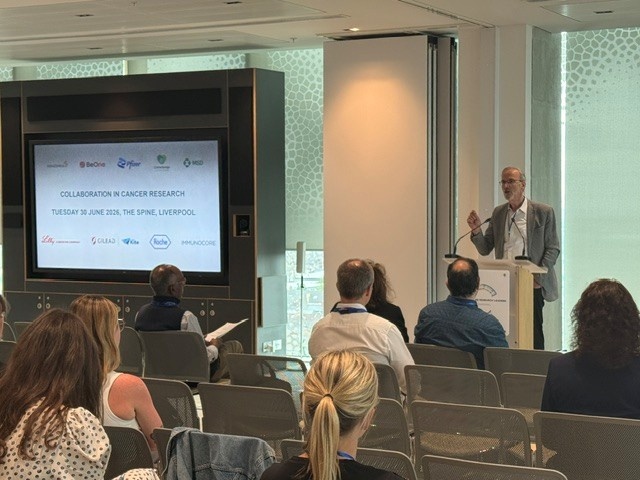
The Clatterbridge team hosted 45 delegates from radiotherapy centres across the UK and Ireland during the two-day event in Liverpool, which was sponsored by Varian/Siemens Healthineers.
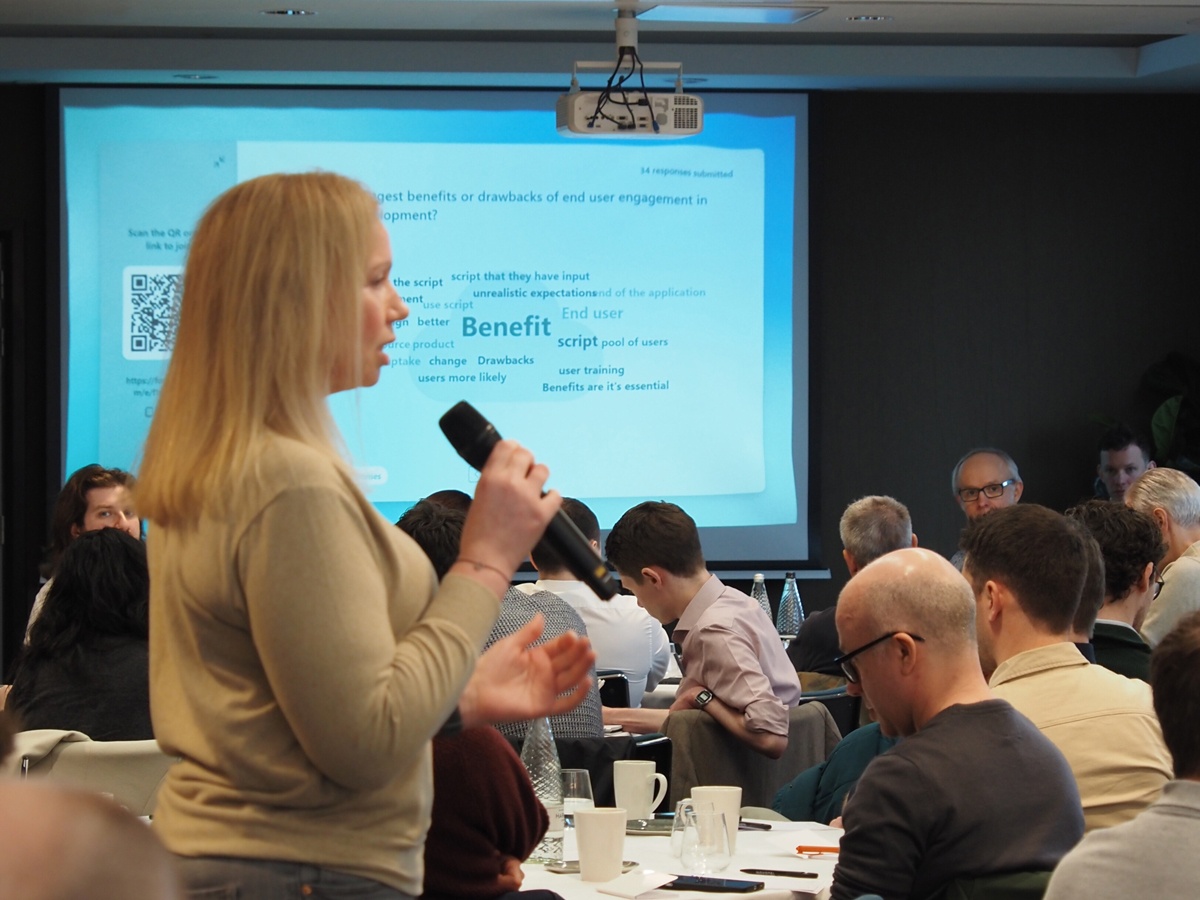
In addition to sharing best practice and experiences of using ESAPI, attendees discussed effective collaboration with radiotherapy department colleagues during development and implementation of automated processes.
Richard Trouncer, a Principal Medical Physicist at the Royal Marsden Hospital, said:
“It’s been really useful to meet colleagues who use Eclipse face-to-face, to better understand how they are successfully introducing automation and challenges they have overcome.”
Following this event Clatterbridge will lead the development of a national ESAPI community.
Russell Dawson, a Principal Clinical Scientist at The Clatterbridge Cancer Centre, and conference co-organiser, said:
“We hope this will allow radiotherapy centres to collaborate more closely, share knowledge, and improve how automation is used across the country. Ultimately, this collaboration will help ensure that patients across the UK benefit from faster, safer, and more consistent radiotherapy treatment.”