A breast cancer survivor has used her experience of chemotherapy to create a new product to improve comfort for patients undergoing treatment to keep their hair.
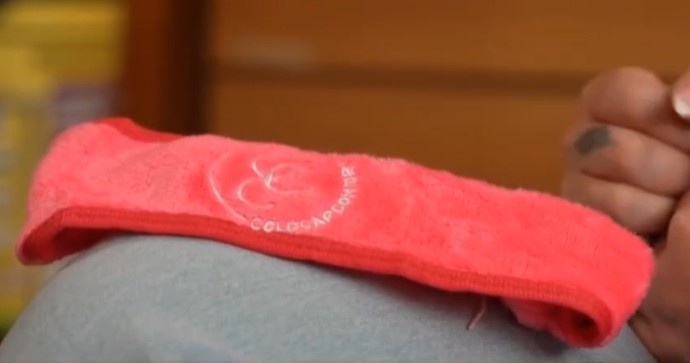
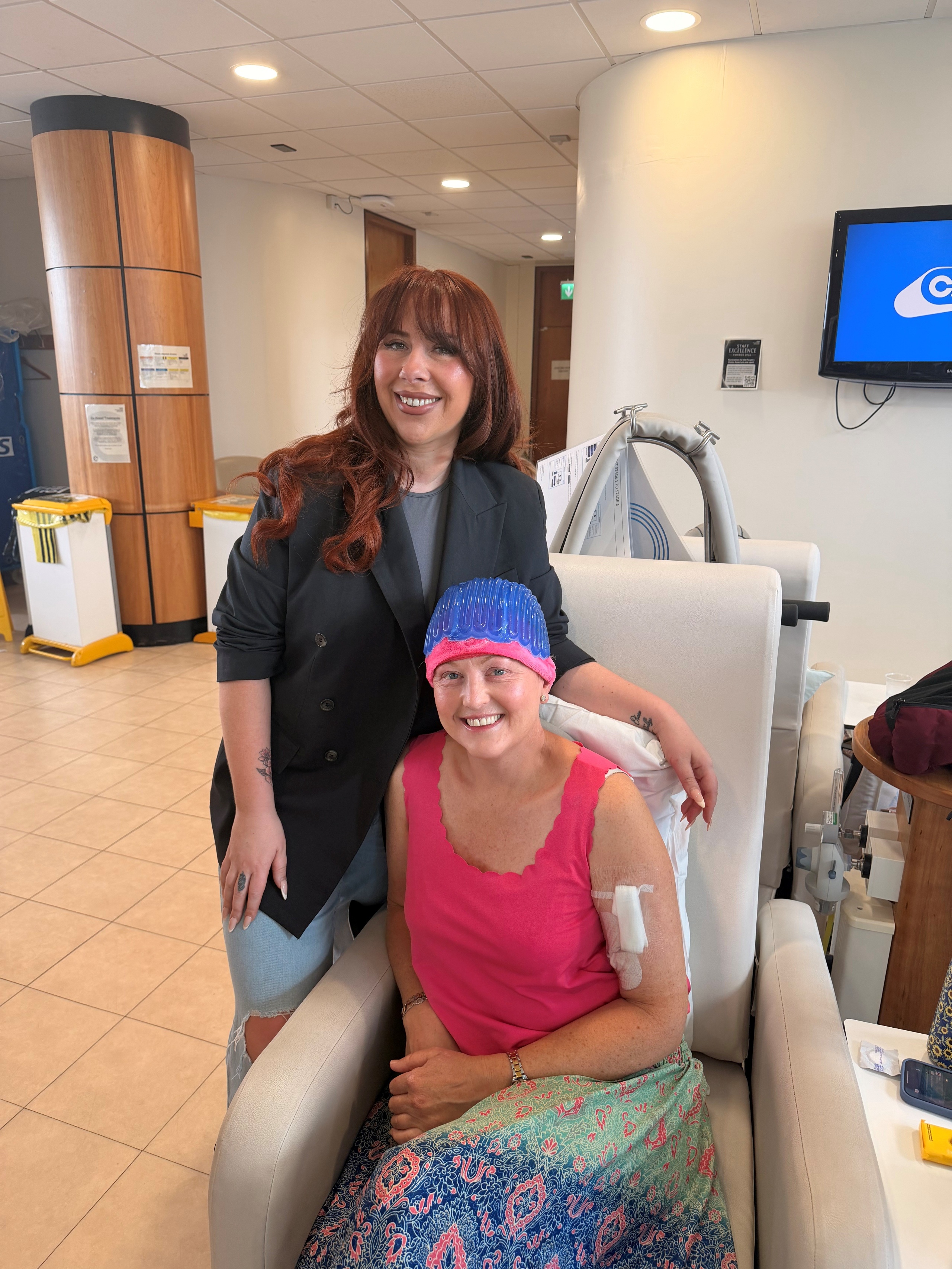
Amy Burke has launched her Cold Cap Comforter at The Clatterbridge Cancer Centre (CCC) with support from the Trust’s Innovation Team for people having scalp cooling treatment. The soft fabric accessory is worn by people receiving cold cap therapy, which can help reduce or prevent hair loss during chemotherapy.
The treatment uses a ‘cold cap’ to chill the scalp and some patients find the experience difficult due to the very low temperatures involved. The Cold Cap Comforter fits snugly around the cap, acting as a soft layer between the skin and the device. It has been developed to improve comfort during treatment, helping patients feel more at ease throughout the process.
Amy, 36, who lives in Kirkby, was diagnosed with aggressive HER2 breast cancer three years ago and underwent surgery, 29 rounds of chemotherapy and 15 sessions of radiotherapy. Thankfully, she is now in remission and looking forward to a healthy future.
Before her diagnosis, Amy felt a lump in her left breast but initially ignored it as she was a busy mum running her own beautician’s business. She said: “It came at a really hectic time for me. I was a single mum running a busy salon and I put off getting it checked. But one of my clients was a nurse and I mentioned it to her. She told me to ring the doctor straight away. Which I did and it was a very quick process to being diagnosed and I was having chemo only a month later.”
Throughout chemotherapy, Amy was concerned about losing her hair, particularly as one of the treatments she required could lead to alopecia. She wore a cold cap during 15 rounds of treatment and was determined to continue despite the discomfort and intensity of the cold.
Amy, who has a 15-year-old daughter and an 11-year-old son, said: “Keeping my hair was incredibly important to me. I wasn’t brave enough to shave it off and keeping it made me feel better and look better, especially to my children who were very young at the time. They saw me and didn’t think I was sick. So, I was totally determined to continue with the cold cap therapy, despite the discomfort.”
The idea for the Cold Cap Comforter came directly from Amy’s experience of scalp cooling during chemotherapy.
She said: “I experienced discomfort and found the cold difficult while wearing the cap. So, I’d cut up different bits of fabric to put underneath it to make it more comfortable – or even use an old sock. I soon realised I could create something that would fit properly around the cap to make the experience better – helping me, and hopefully others.”
Amy went through around 20 prototypes, refining the design for comfort, practicality, durability and washability. “It also needed to be economical and come in colours that people would be happy to wear,” she said.

The comforter is now being provided to patients at Clatterbridge as part of a pilot, with Clatterbridge Cancer Charity generously funding 50 units. While initial feedback has been excellent, the Trust will formally evaluate the comforter before considering wider adoption. Amy has a long-term ambition to make the Cold Cap Comforter available to patients across the UK.
Mum of four Sinéad Maguire has been using the Cold Cap Comforter during her chemotherapy for breast cancer and says it is “amazing”.
Sinéad, who lives in Ainsdale with partner Alan and their children, began scalp cooling as soon as her chemotherapy started at Clatterbridge in January and was given the comforter by another patient. Throughout her treatment, she has been supported by her family, friends and Charles the dog, who has also been a great source of comfort.
“My pink comforter was lovely and really soft. It makes the experience much more manageable – it is amazing,” said Sinéad. “I forgot it one day and had to put paper towels underneath the cap but that didn’t help. There was a real difference without it.”
Sinéad, who has been fundraising for Breast Cancer Now with Ainsdale Cricket Club during her treatment, will go on to have radiotherapy after chemotherapy. She met Amy during her treatment and said: “This is such a fantastic thing that Amy has done. She is an inspiration. She has taken her experience and turned it into something that will help so many others.”
Claire Bennett, CCC’s Matron for Daycare Network Services, met Amy during her treatment and heard about her idea. Claire contacted the Trust’s Innovation Team, which works with staff and patients to develop new ideas that improve patient experience and care. The team has supported Amy in developing the comforter for use within the clinical setting.
“Amy has lived experience of this treatment and when I heard she had developed something to help improve comfort for patients, I knew we had to support it,” said Claire. “For many patients, keeping their hair is very important – it is part of their identity. Anything that helps people feel more comfortable during cold cap therapy is incredibly valuable.”
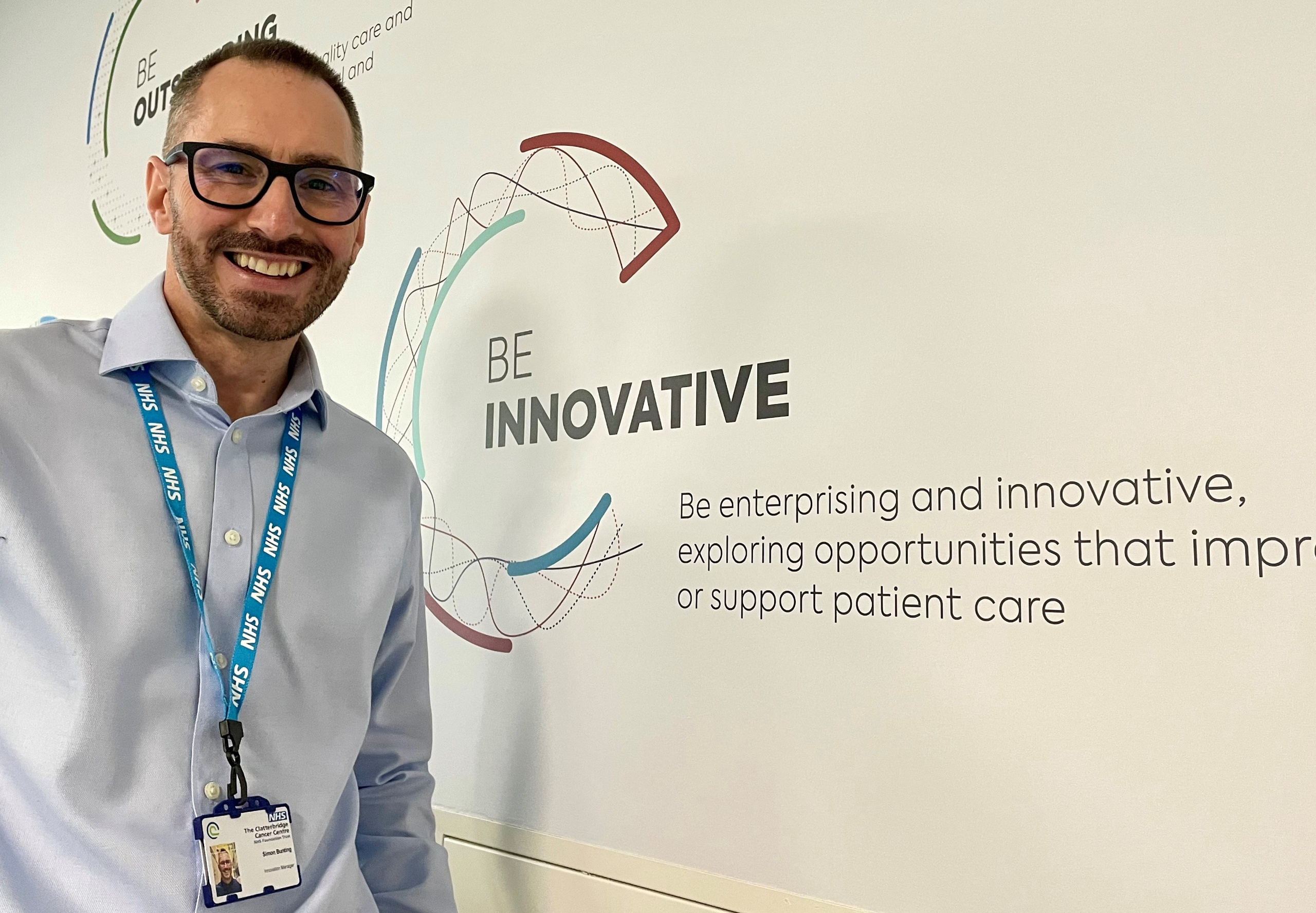
Clatterbridge Innovation Manager Simon Bunting said: “This is a fantastic product which is helping improve patients’ experience of cold cap therapy and is a great example of a patient-led idea being developed into a practical solution.
“The comforter is now being evaluated and, subject to continued positive feedback, we hope to support wider use both within the Trust and potentially across other cancer centres.”
“This initiative also highlights Clatterbridge’s ambition to support more patient-led innovation, working with people with lived experience to turn personal insight into practical solutions that improve comfort and experience for others.”
Stuart Rowling, Head of UK Sales and Training at Paxman, the UK company which manufactures the scalp cooling equipment used worldwide, said: “We understand that for some, scalp cooling can feel challenging at times, particularly as there are many sensitive nerve endings along the hairline and forehead.
“To help reduce cold-related discomfort, it is important for patients to use a forehead protector, headband, or medical gauze alongside the cooling cap, preventing direct contact between the silicone cap and bare skin.
“Innovations such as the Cold Cap Comforter are a wonderful example of how lived experience can inspire meaningful change. They reflect a genuine commitment to improving comfort and wellbeing during scalp cooling, while offering encouragement and support to others facing treatment.
“Paxman always welcome feedback and ideas that help enhance the patient experience, supporting individuals to feel more comfortable, more confident, and better able to maintain a sense of control and normality throughout their treatment journey.”
Amy is now developing the comforter and other products to support people undergoing chemotherapy after closing the business she had run since she was 18 to focus on her new passion.
“I feel I have found a purpose,” Amy said. “I know how it is to sit in that chair and have chemo and the fact that I can offer people comfort in that situation means everything to me. The Cold Cap Comforter is a warm hug when you are going through something incredibly hard – and giving that to people in the position I was in is really fulfilling.”