A Clatterbridge patient who has had successful treatment on a clinical research trial has spoken about his care in a TV report highlighting inequalities in head and neck cancer.
ITV Granada News shone a spotlight on the widening inequalities in head and neck cancer across the UK – with rates and mortality significantly higher in the North of England and Scotland.
The broadcast focused on the publication of a report titled ‘Hard To Swallow: The Truth about Head and Neck Cancer Inequalities’, by the Northern Head and Neck Alliance and Health Equity North.
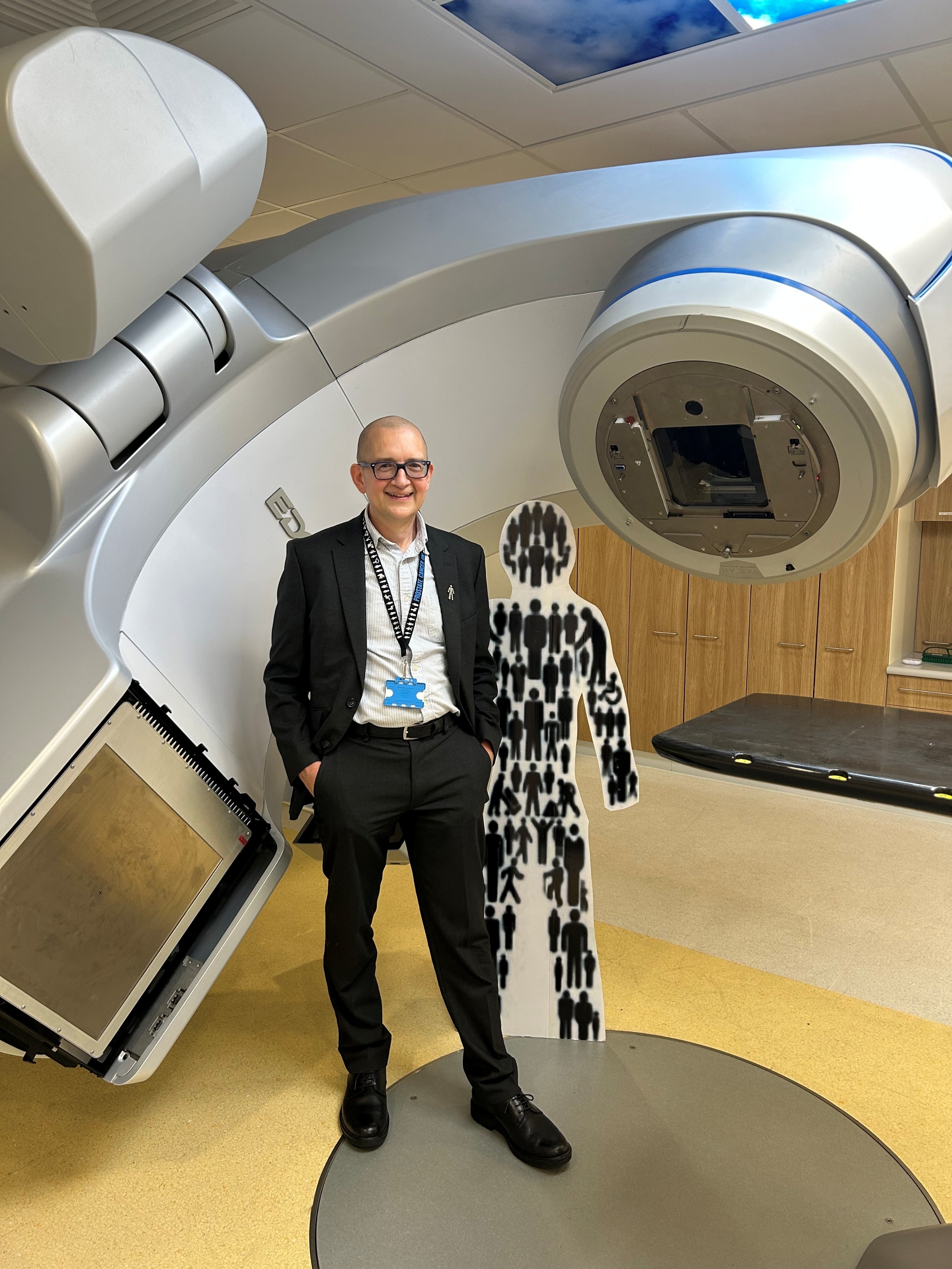
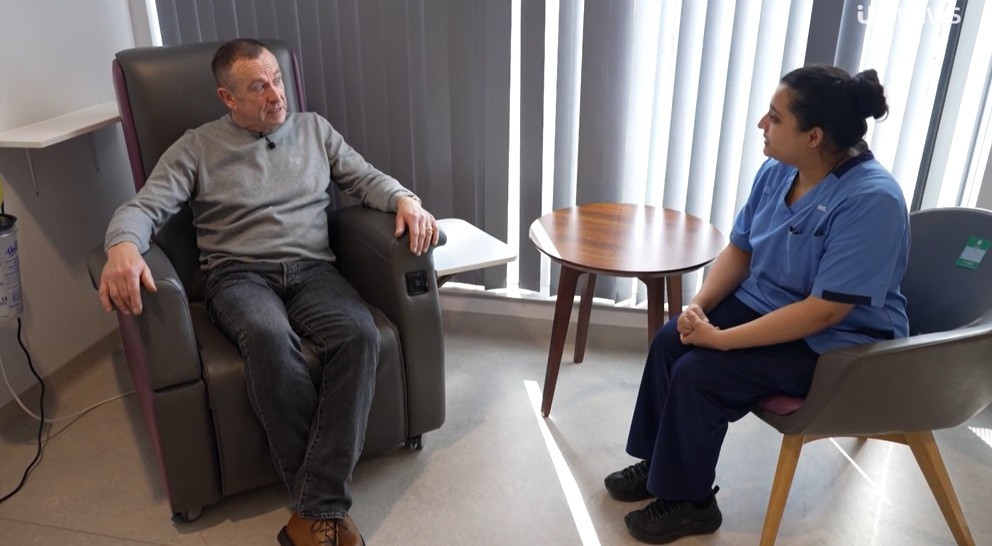
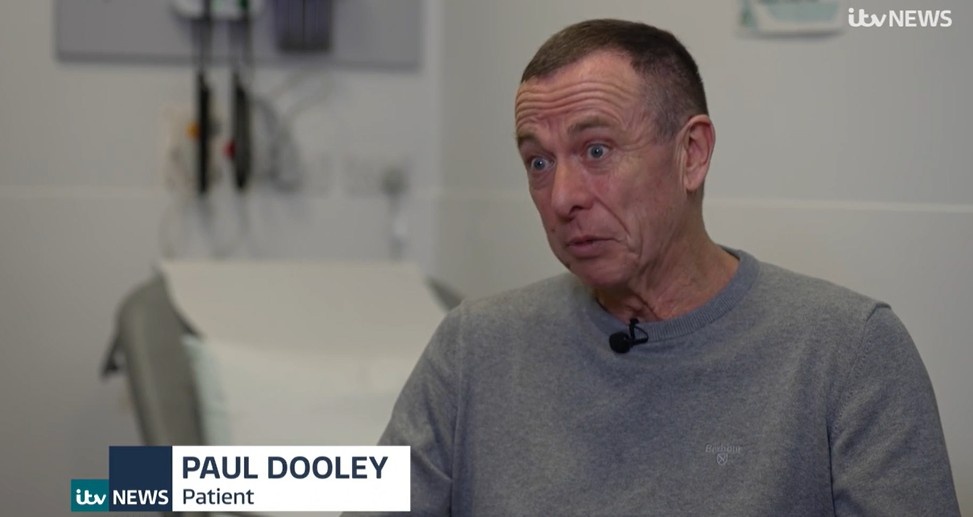
One of the authors of the report is Professor Terry Jones, Director of Liverpool Head and Neck Centre and LUHFT’s Director of R&I, who was interviewed at Clatterbridge Cancer Centre – Liverpool for the TV report, alongside patient Paul Dooley.
Paul completed an cancer vaccine clinical trial at CCC last month and is doing well. He is back at work and his latest scans show no signs of disease.
The heating engineer, from Halewood, spoke about this treatment and care at Clatterbridge and urged people not to ignore the signs and symptoms of head and neck cancer. “I was treated very quickly and efficiently,” said Paul, who his now an ambassador for Clatterbridge Cancer Charity. “I feel very well. I haven't felt this well in my life.”
Several experts from the University of Liverpool and clinical teams across the region contributed to the evidence reviewed in the report, which highlights the depth of the challenge on head and neck cancer facing northern areas:
- People in the most deprived places are nearly 2.5 times more likely to die from head and neck cancer than those in the most affluent areas
- All seven northern ICBs have higher incidence rates than the England average, and six have higher mortality rates
- HPV vaccine uptake is 21% lower in the most deprived areas, and people are less likely to be referred by a dentist for early symptoms
- Nearly half of patients do not start treatment within the NHS 62-day target and those in deprived communities are 33% more likely to wait over 104 days.
Professor Matt Ashton, Director of Public Health for Liverpool City Council, wrote the forward to the report, saying: “This report lays out those inequalities with real clarity and brings forward practical opportunities to change that story across prevention, diagnosis, treatment, and survivorship.”
Thanks to all the teams that co-operated with the filming at CCC-L. You can see the news report and video here: https://