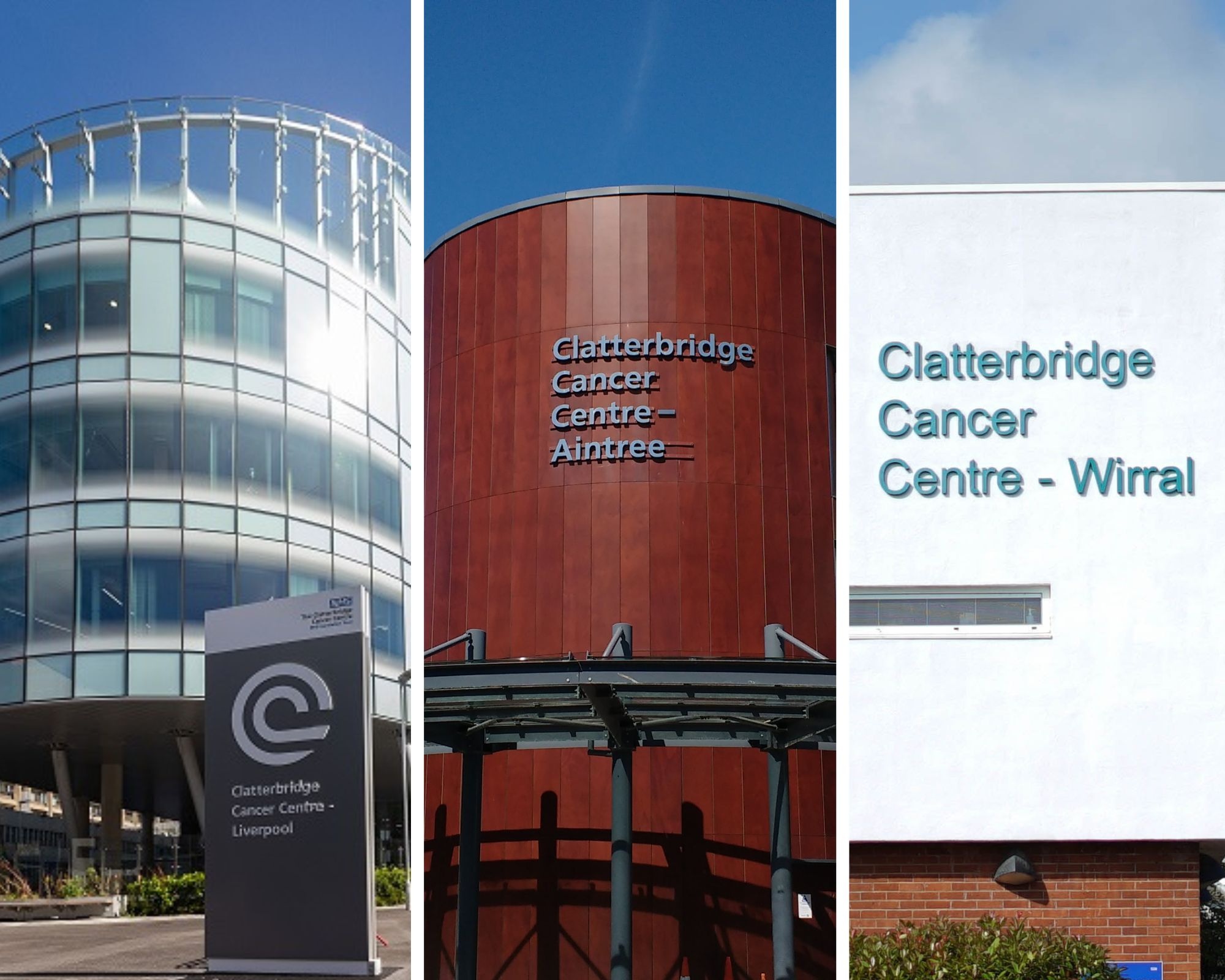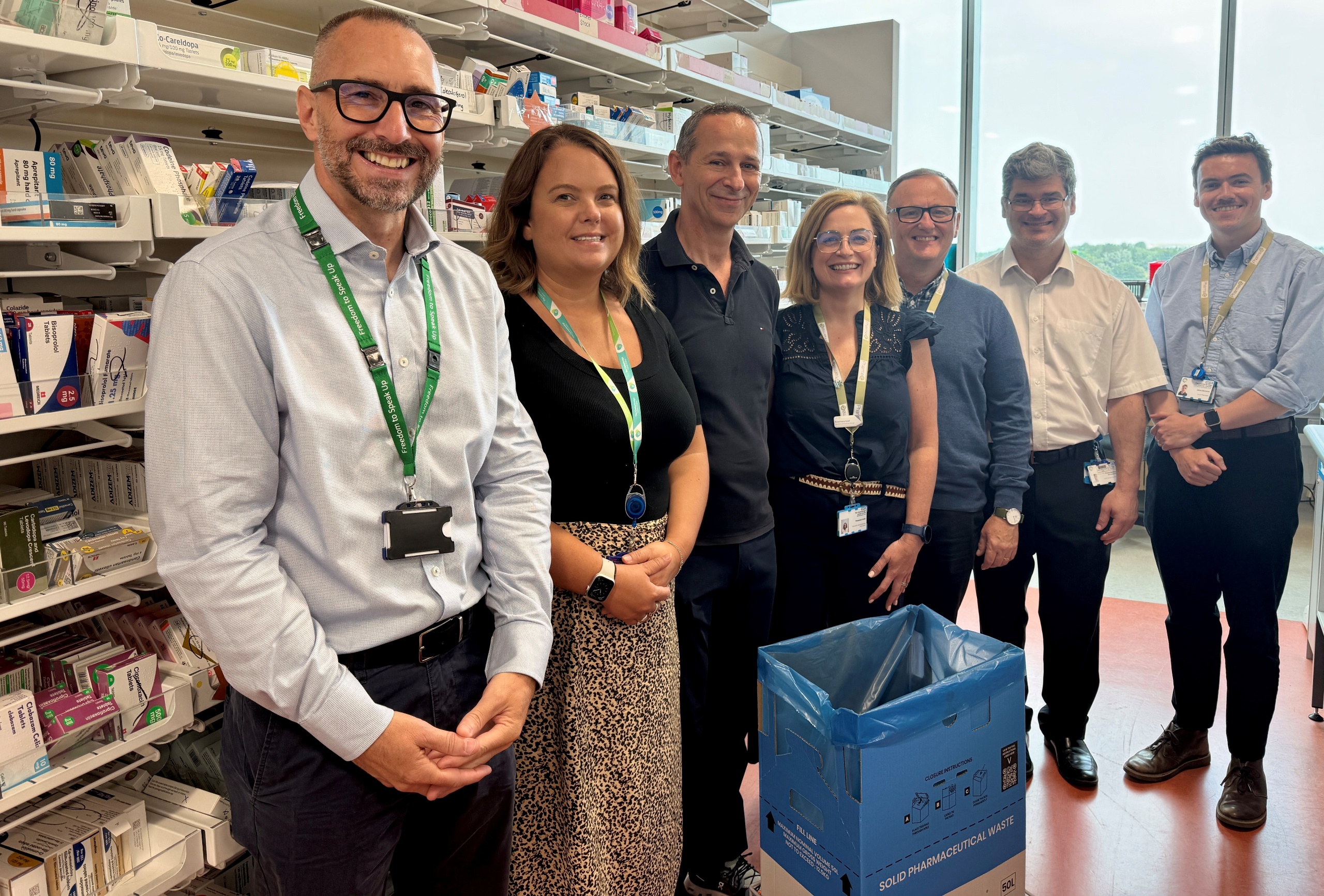
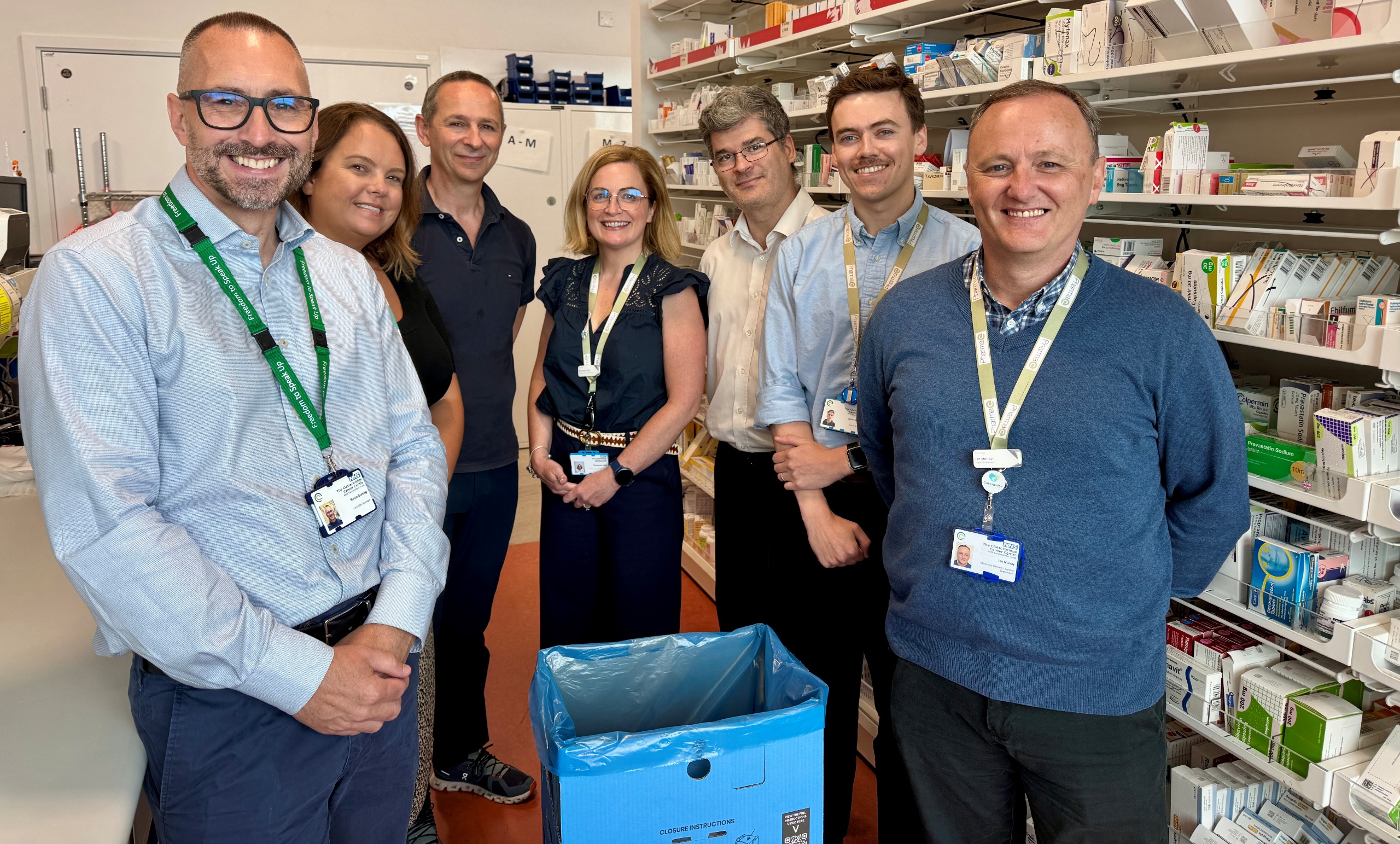
The Clatterbridge Cancer Centre has been given a £583,000 grant to develop and test an innovative system designed to cut the amount of NHS medicines that go to waste.
The National Institute for Health and Care Research (NIHR) has given the grant to Clatterbridge to design and implement the ‘Pharmabag’ as part of an initiative to help the health and social care system achieve net zero.
The eco-friendly medicine bag scheme – which would enable the safe reusing of unopened medicine that would usually be thrown away – is one of five projects chosen by the NIHR for multi-year funding totalling £5m. It is part of a £25m NIHR funding stream for innovative and creative solutions to decarbonise the UK’s health and social care systems.
Clatterbridge will now further develop the smart-tech Pharmabag which would be able to show if an unused medicine had been opened or stored outside a safe temperature range.
In the UK, medicines returned by patients must be disposed of – even if they are unopened and within date– because services cannot confirm they have been stored correctly. This contributes to medicines waste costing hundreds of millions of pounds each year.
Manufacturing and transporting medicines generates carbon emissions, and disposal can contribute to pollution if unused medicines enter soil and water. When medicines that could potentially have been safely reused are discarded, it can also worsen shortages – making it harder for other patients to access treatment.
The NIHR-funded work will begin by analysing records at The Clatterbridge Cancer Centre to identify which cancer medicines are most frequently returned or left unused, and the reasons why. The team will then provide Pharmabags to patients who are prescribed selected medicines. By placing standard prescriptions inside the bags, we will test how the system performs in real NHS settings.
Researchers will assess how many medicines are returned, the condition they are in, and whether the medicine could be reused. Findings will be used to model the potential impact on waste reduction, NHS savings and environmental benefits.
Patients and NHS staff will be involved throughout to gather feedback on how the Pharmabag works in practice, what could be improved, and how it feels to use. This feedback will inform refinements to the design to ensure it is practical, acceptable and user-friendly.
Simon Bunting, Innovation Manager at The Clatterbridge Cancer Centre, said: “Pharmabag was born from shared frustration across the NHS, from my experience as a registered pharmacy technician witnessing the routine destruction of high‑value, unopened medicines returned from patients and the huge cost to taxpayers, to working with clinicians who see how waste and shortages affect patient care, choice, and dignity at critical moments.
“Rather than accept this as inevitable, we wanted to do something about it: creating a safe, practical way to turn avoidable medicines waste into reinvestment in innovation that improves care, sustainability, and access for future patients.”
Dr Sophia Lentzos, NIHR Head of Climate, Health and Sustainability, said: “To see the first studies we've funded as part of this initiative getting under way marks a hugely important milestone. Our 5-year programme will fund the research and innovation needed to deliver resource efficient, equitable healthcare that improves the health and wellbeing of patients.”
Dr Seamus Coyle, Clinical Lead for Innovation at Clatterbridge, said: “We are really excited and grateful that the NIHR has given us this grant to progress Pharmabag. They can see how exciting the prospects are for this new process, not only at Clatterbridge, but if it is successful, right across the health service.
“If the approach is shown to be safe and effective, we hope it could support wider adoption and contribute to future policy discussions about enabling safe, unused medicines to be redirected rather than discarded.”