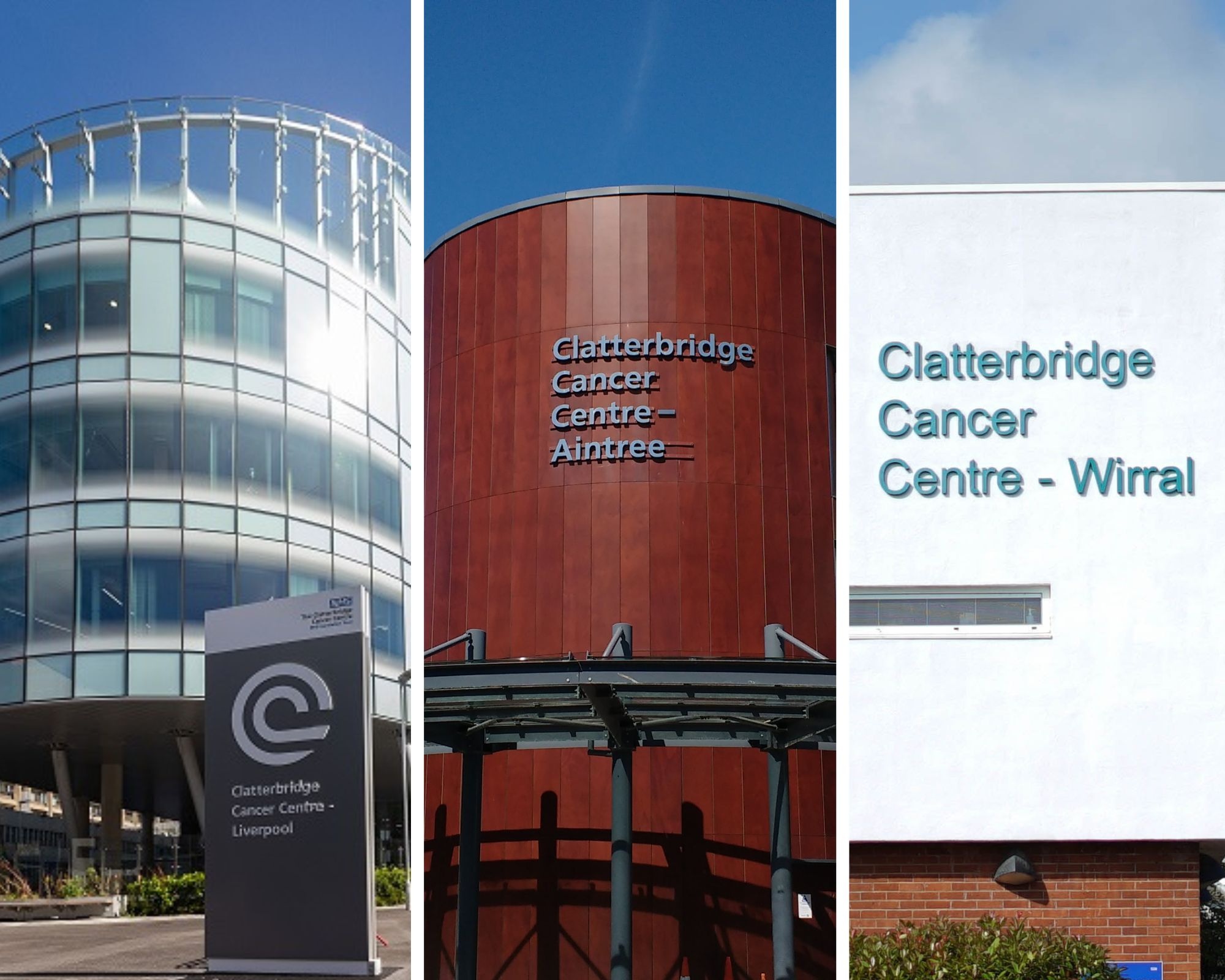
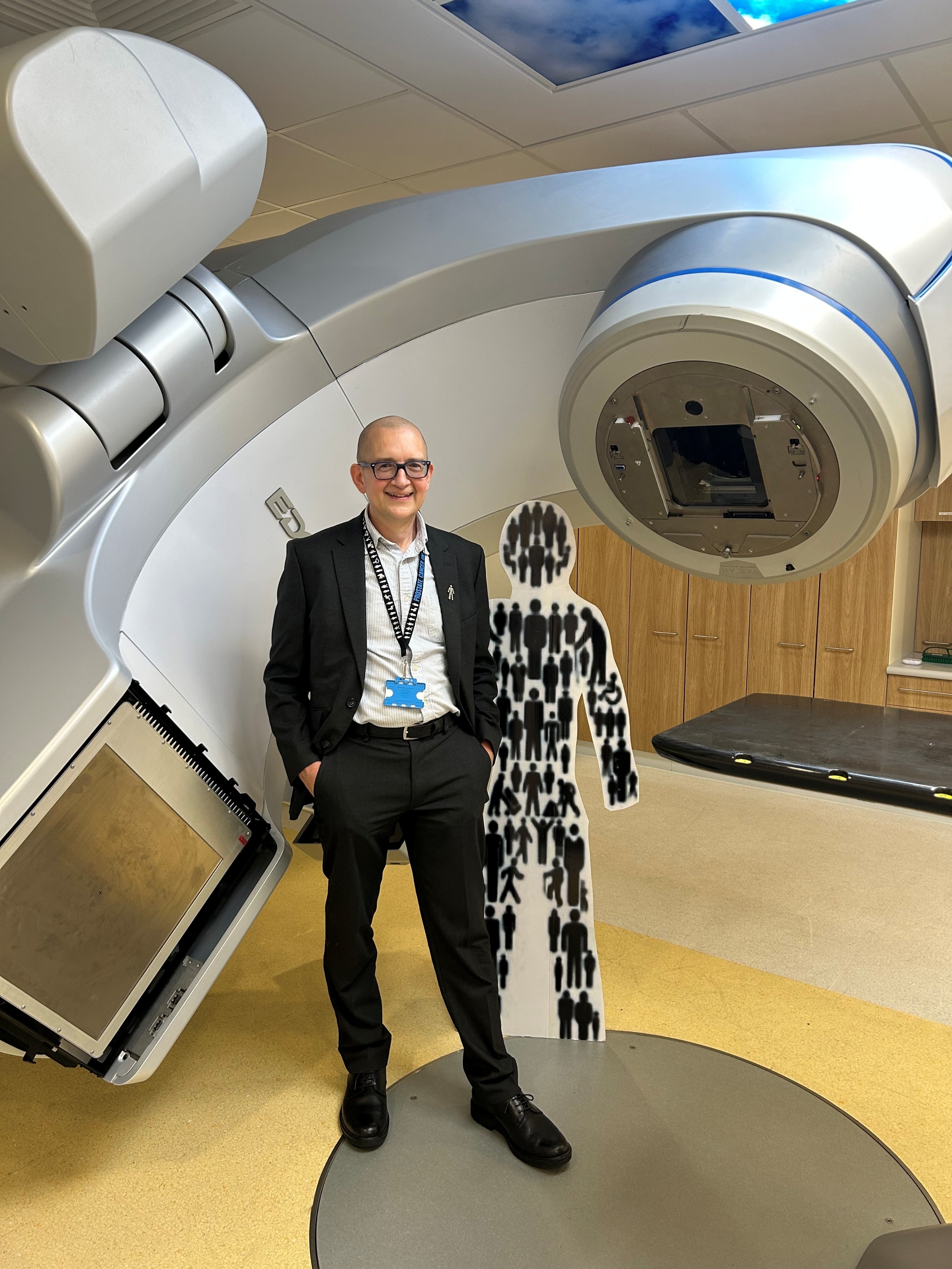
Earlier this month, The Clatterbridge Cancer Centre hosted doctors in training to prepare them for their upcoming Fellow of the Royal College of Radiologists (FRCR) clinical oncology Part 2B Exams.
The FRCR Part 2B examines candidates on all aspects of clinical oncology. Clinical oncologists use both radiotherapy and medication treatments to treat patients and the exam tests trainees on clinical decision making, radiotherapy planning skills and clear communication. All future clinical oncologists have to obtain this qualification as part of their training.
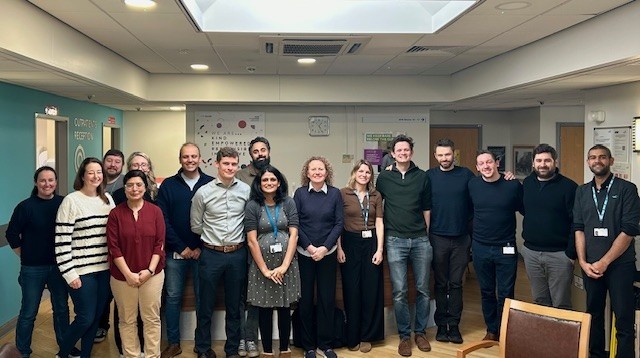
Clinical oncology registrars from across the country took part in the session online, with doctors joining from Newcastle, London, Belfast, Sheffield and as far afield as Malaysia.
The Clatterbridge Cancer Centre is renowned for the excellent standard of training it offers to doctors in training, with the session receiving excellent feedback with participants praising the organisation of the course and its usefulness in preparing them for their upcoming exams.
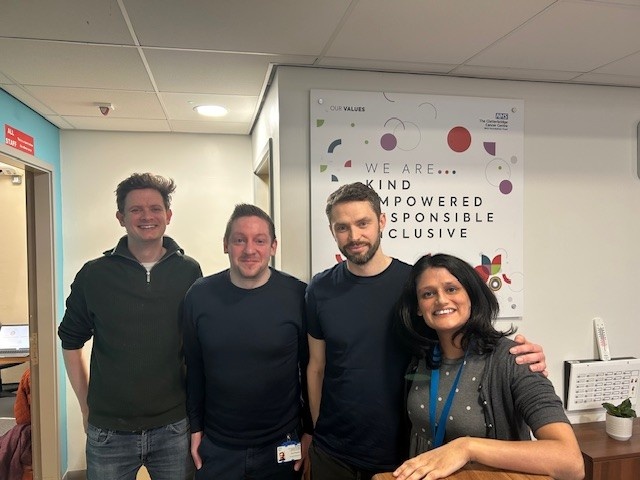
“The FRCR Part 2B Exam is a high-pressured exam, essential to the training of any clinical oncologist. We want to ensure candidates are as prepared as possible to take on the exam. The more knowledge they have, ultimately, the better care we can all provide to patients of the future.”